
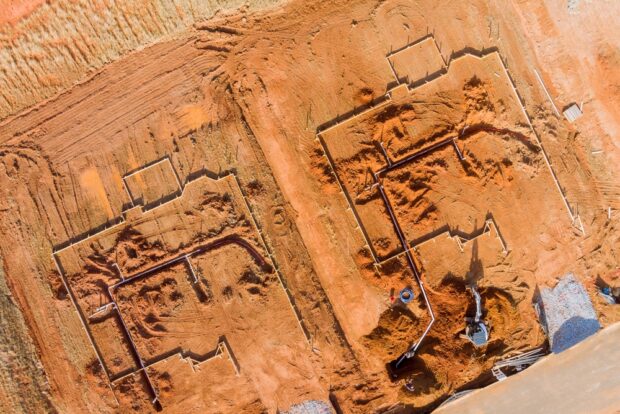
Developers working along Middleton Road, near Lake Lowell, or expanding projects toward Kuna often run into the same bottleneck. The irrigation district approval process can quietly stall an otherwise well-planned project. In Canyon County, missing one detail about a ditch, easement, or delivery right can delay a subdivision for months.
Irrigation district approvals in Nampa require coordination with entities like Nampa & Meridian Irrigation District (NMID) or Pioneer Irrigation District, detailed engineering plans that meet City of Nampa standards, and formal board of directors approval before final plat acceptance. These approvals often involve modifying lateral ditches, protecting water delivery rights, and designing irrigation pressure systems that align with both municipal and district requirements.
What Developers in Canyon County Should Know Before Starting
- Irrigation districts like NMID and Pioneer have authority over easements, ditch modifications, and water delivery rights across much of Canyon County.
- Subdivision irrigation requirements in Nampa often include converting open ditches into pressurized irrigation pressure systems that meet City of Nampa engineering standard drawings.
- Unrecorded irrigation easements and hidden tile lines are common in agricultural parcels near Garrity Boulevard and Franklin Road.
- Board of directors approval is not automatic and depends on how well your plans align with district preferences and historical practices.
- Delays tied to irrigation conflicts can halt construction timelines and impact financing for developers across the Treasure Valley.
Why Irrigation Approvals Are a Local Challenge in Nampa
Irrigation approvals in this part of Idaho are uniquely complex because the region was historically developed around agricultural water delivery systems. Many parcels near Deer Flat National Wildlife Refuge or south of I-84 still rely on legacy infrastructure such as headgates, lateral ditches, and tile lines that may not be fully documented.
Unlike other markets, Canyon County land development must account for both city engineering standards and irrigation district governance. These districts operate independently, with their own review timelines, board meetings, and design expectations. That means even if a project meets municipal requirements, it can still be delayed at the district level.
We regularly see projects near Midland Boulevard or Ustick Road slowed down because irrigation infrastructure was not fully addressed during early planning. That is where local experience becomes critical.
Introduction to the Approval Process
At Mason and Stanfield Inc, we work with developers, builders, and investors to bridge the gap between project design and irrigation district requirements. Our role is not just paperwork. We help identify risks early, design compliant systems, and guide projects through district approvals efficiently.
For professionals managing tight timelines and budgets, understanding how irrigation districts operate can prevent costly surprises. The process is technical, but with the right approach, it becomes manageable.
Irrigation district approvals in Nampa require early identification of easements, coordination with district staff, and engineered solutions that meet both district and city requirements. Developers must secure district approval before final plat recording, especially when modifying existing irrigation infrastructure.
Local Irrigation Realities Across the Treasure Valley
- Many parcels in Canyon County still contain active irrigation easements that do not appear clearly in title reports.
- NMID and Pioneer Irrigation District each have distinct design preferences for ditch piping and IPS systems.
- The City of Nampa requires irrigation system designs to align with its engineering standard drawings before approval.
- Open ditches are commonly required to be piped or rerouted in new subdivisions.
- Headgates and delivery points must remain accessible to district personnel after development.
- Board approval schedules can add weeks or months depending on submission timing.
- Properties near agricultural zones often have multiple overlapping irrigation obligations.
Planning Ahead for Irrigation Approvals
If you are evaluating land near Orchard Avenue or planning a subdivision west of Northside Boulevard, it helps to understand irrigation constraints early. We recommend conducting a preliminary irrigation review during site feasibility.
This includes identifying lateral ditches, verifying water delivery rights, and assessing whether an irrigation pressure system will be required. Addressing these issues early reduces the risk of redesign later.
Local Data and Regulatory Influence
Irrigation approvals in Canyon County are shaped by both municipal standards and district governance. The City of Nampa publishes engineering standard drawings that dictate how irrigation pressure systems and piping must be designed. At the same time, irrigation districts enforce their own rules regarding easements, access, and water delivery.
According to guidance from local irrigation districts, maintaining consistent water delivery to downstream users is a top priority. This requirement often drives design decisions, especially when modifying lateral ditches or relocating headgates.
How Irrigation Requirements Impact Development Timelines
Irrigation requirements in Nampa directly affect project timelines by introducing additional review steps, design revisions, and board approval processes that can extend development schedules by several weeks or months.
Developers working near Caldwell Boulevard or expanding into agricultural zones often find that irrigation conflicts become the critical path issue. Delays can impact contractor scheduling, financing timelines, and lot release strategies.
Field Experience and Practical Insights
From our experience, the most common issue is underestimating the complexity of existing irrigation systems. Many sites appear straightforward but contain buried tile lines or undocumented easements.
We recommend early coordination with irrigation districts and designing solutions that align with their historical preferences. Each district has patterns in how they evaluate plans, and understanding those nuances can significantly improve approval speed.
Signs Your Project May Face Irrigation Delays
Projects in Canyon County may face irrigation delays if there are visible ditches, unclear easement records, or required system conversions.
- Presence of open lateral ditches on site
- Unverified or missing irrigation easement documentation
- Required conversion to irrigation pressure system
- Conflicts with existing headgates or delivery points
- Lack of early coordination with NMID or Pioneer
- Design plans not aligned with City of Nampa standards
Waiting too long to address these issues can result in redesign costs and missed development milestones.
When to Bring in a Civil Engineering Firm
You should involve a civil engineering firm early when irrigation infrastructure exists on the property or when subdivision approvals require system modifications.
Developers can review basic site conditions themselves, but engineering design, district coordination, and approval submissions require professional expertise. Local conditions and district expectations make this a specialized process.
Common Causes of Irrigation Approval Delays
Irrigation approval delays in Nampa are most often caused by incomplete site analysis, misaligned designs, and lack of coordination with irrigation districts.
- Hidden or undocumented irrigation easements
- Incomplete ditch or tile line mapping
- Designs that do not meet district standards
- Failure to preserve water delivery rights
- Late submission to district board review cycles
These issues are especially common in former agricultural parcels across the region.
How to Prevent Irrigation Issues During Development
Preventing irrigation issues in Nampa requires early site investigation, proactive coordination, and compliant engineering design.
Start with a detailed irrigation assessment during feasibility. Work with professionals who understand district expectations. Ensure designs align with both municipal and irrigation requirements before submission.
What Successful Approvals Look Like
Successful irrigation approvals result in a fully compliant system that maintains water delivery, meets city standards, and receives timely board approval.
Developers can expect smoother permitting, fewer redesigns, and faster progression to final plat approval when irrigation is handled correctly from the start.
Local Insight
In this region, irrigation is not just a utility. It is a regulated system with historical importance and legal protections. Projects that respect those systems tend to move forward more efficiently.
Common Mistakes Developers Make
- Ignoring irrigation easements during land acquisition
Result: Unexpected redesign costs
Better approach: Conduct early due diligence - Delaying district coordination
Result: Missed board approval windows
Better approach: Engage districts early - Using non-local design standards
Result: Plan rejection
Better approach: Align with City of Nampa and district expectations
A Common Local Scenario
A typical scenario involves a developer purchasing farmland near Robinson Boulevard with plans for subdivision. During design, an unrecorded lateral ditch is discovered. The project must then be redesigned to include piping and an irrigation pressure system, delaying approval.
This situation is common across Canyon County and highlights the importance of early investigation.
How Engineering Services Solve Irrigation Challenges
Civil engineering services in Nampa solve irrigation challenges by identifying infrastructure early, designing compliant systems, and coordinating directly with irrigation districts.
We develop piping layouts, rerouting plans, and pressurized systems that meet both city and district requirements. This approach reduces delays and helps secure board approval efficiently.
Comparing DIY vs Professional Guidance
Developers can review basic site conditions, but irrigation approvals require technical design and district coordination. Professional guidance ensures compliance, reduces risk, and improves approval timelines.
Areas We Serve
We support projects throughout Canyon County, including Caldwell, Middleton, and surrounding communities. Our familiarity with local districts and conditions allows us to navigate approvals efficiently across the region.
The Cost of Delaying Irrigation Planning
Delaying irrigation planning can lead to redesign costs, missed construction timelines, and potential loss of revenue for developers.
Unresolved irrigation issues often become the primary obstacle in moving from planning to construction. Addressing them early protects both schedule and budget.
FAQ
How long do irrigation approvals take in Nampa?
Irrigation approvals in Nampa typically take several weeks to a few months depending on district schedules and project complexity. Board of directors approval timelines and design revisions are the main factors affecting duration.
Do all subdivisions require irrigation system upgrades?
Most subdivisions in this area require irrigation system upgrades, especially when open ditches are present. Conversion to an irrigation pressure system is often required to meet city standards.
What is an irrigation easement?
An irrigation easement is a legal right that allows water delivery infrastructure to exist on a property. These easements must be preserved or modified with district approval during development.
Can I move or remove a ditch on my property?
You can modify a ditch, but only with irrigation district approval and proper engineering design. Maintaining water delivery to other users is required.
What districts operate in Canyon County?
Nampa & Meridian Irrigation District and Pioneer Irrigation District are the primary entities overseeing irrigation infrastructure in the area.
Why are irrigation approvals so strict here?
Irrigation systems in this region support both agriculture and urban needs. Districts enforce strict rules to ensure consistent water delivery and system reliability.
Do I need an engineer for irrigation approvals?
Yes, most projects require a civil engineer to design compliant systems and coordinate with districts. This ensures plans meet all requirements.
What happens if I ignore irrigation requirements?
Ignoring irrigation requirements can result in project delays, denied approvals, and costly redesigns.
Closing Statement
Navigating irrigation district approvals in this region requires local knowledge, technical expertise, and proactive planning. With the right approach, developers can move projects forward without unnecessary delays.
Move Your Project Forward with Confidence
Understanding irrigation requirements early can save time, money, and frustration. We help developers align their projects with local expectations and move efficiently through approvals.